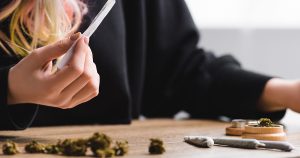
Guide to Cannabis Potency: What Do THC Percentages Really Mean?
If you’ve ever shopped for cannabis flower, you’ve probably noticed THC percentages displayed on product labels. Some products list 15% THC, while others advertise 25% or more. But what do these numbers actually mean, and does a higher THC percentage always mean a better experience?
Understanding cannabis potency can help you make more informed decisions when exploring different products. Whether you’re visiting a cannabis dispensary in Port Angeles or shopping at a cannabis store in Longview, Washington, knowing how to read THC percentages is an important part of cannabis education.
In this guide, we’ll explain what THC percentages mean, how potency differs between products, and what to consider when comparing cannabis options.
What Is THC?
THC stands for delta-9-tetrahydrocannabinol, one of the primary cannabinoids found in cannabis. It is the compound mainly responsible for the intoxicating effects commonly associated with cannabis use.
THC interacts with the body’s endocannabinoid system and can affect perception, mood, memory, coordination, and appetite. Its effects vary depending on the individual, the amount consumed, the product, and the method of consumption.
When you see a THC percentage on a cannabis product label, that number describes the concentration of THC in the product or, for some flower labels, an estimate of the potential THC available after heating.
What Does THC Percentage Mean?
THC percentage is a measurement of how much THC is present relative to the weight of a product. For example, cannabis flower labeled 20% THC contains approximately 200 milligrams of potential THC per gram of flower, based on that percentage.
However, this does not mean that smoking or vaping one gram delivers 200 milligrams of THC into your bloodstream. Some THC is lost during heating and combustion, and the amount absorbed by the body varies.
It’s also important to distinguish between total THC and delta-9 THC. Product labels may report different cannabinoid measurements, so check the label carefully to understand what is being measured.
Understanding Low, Moderate, and High THC Percentages
Cannabis flower is often described using general potency ranges. These categories are informal guidelines rather than official safety classifications.
Lower-THC Flower
Flower with a lower THC concentration may appeal to consumers who prefer products with less THC per gram. However, the overall experience still depends on the amount consumed, cannabinoid profile, and individual sensitivity.
Moderate-THC Flower
Moderate-THC products offer a middle range of THC concentration. Some consumers compare these products when looking for options that don’t have the highest advertised potency.
Higher-THC Flower
Higher-THC flower contains a greater concentration of THC by weight. Products with higher concentrations can produce stronger intoxicating effects, but individual experiences vary, and the percentage alone cannot predict how a product will feel.
Remember: Higher THC does not automatically mean higher quality. Aroma, freshness, terpene profile, storage, and personal preferences can also matter when comparing cannabis flower.
Does a Higher THC Percentage Mean a Better Product?
Not necessarily. THC percentage is only one part of a cannabis product’s overall profile.
Two flower products with similar THC percentages may differ in aroma, flavor, terpene content, freshness, and the experience reported by individual consumers.
Other factors worth considering include:
- Cannabinoid profile: The amounts of THC, CBD, and other cannabinoids present.
- Terpene profile: Aromatic compounds that contribute to a product’s scent and flavor.
- Freshness and storage: How the product has been handled and stored.
- Product consistency: Whether the label and laboratory results provide clear information about potency.
- Personal sensitivity: How your body responds to THC.
Rather than choosing a product based on the highest number on the label, consider the complete product information and your own experience level.
THC Percentages in Flower vs. Edibles and Concentrates
THC percentages can mean different things depending on the type of cannabis product you’re comparing.
Cannabis Flower
Flower labels commonly display THC as a percentage by weight. This helps consumers compare the concentration of THC in different flower products, although it doesn’t tell you exactly how much THC your body will absorb.
Edibles
Edibles are generally labeled by the amount of THC in milligrams rather than by THC percentage. A package may list the total THC in the package and the amount per serving.
Always check both numbers. A package containing multiple servings is not the same as a single serving, and edible effects can take longer to appear than inhaled cannabis effects.
Concentrates and Vape Products
Cannabis concentrates and vape products often contain higher concentrations of cannabinoids than flower. Their labels may show THC as a percentage, milligrams per gram, or another measurement depending on the product.
Because concentrates can be highly potent, consumers should pay close attention to product labeling and avoid assuming that the same amount will produce the same experience as flower.
What Is the Difference Between THC and THCA?
When comparing cannabis flower labels, you may also see THCA listed. THCA, or tetrahydrocannabinolic acid, is a cannabinoid that can convert into THC when exposed to heat through a process called decarboxylation.
Some labels display total potential THC, which accounts for the THC already present and the potential THC that may form from THCA after heating. A commonly used calculation is:
Total potential THC = delta-9 THC + (THCA × 0.877)
The factor 0.877 accounts for the mass lost when THCA converts into THC. Actual THC delivery will still depend on the product and how it is used.
Does THC Percentage Tell You How Strong Cannabis Will Feel?
THC percentage can help you compare products, but it cannot predict the full experience. The amount consumed, individual tolerance, method of consumption, and cannabinoid profile all play a role.
For example, a person who consumes cannabis infrequently may respond differently to a product than someone with more experience. Even the same person may have different experiences depending on the circumstances and amount consumed.
Edibles also behave differently from inhaled products because they are processed through the digestive system. Their effects may take longer to appear and can last longer, making it especially important not to consume more too quickly.
Tips for Comparing Cannabis Potency
When reviewing cannabis products at a licensed retailer, keep these tips in mind:
- Read the full label instead of focusing only on the largest THC number.
- Check whether the product lists delta-9 THC, THCA, or total potential THC.
- For edibles, check both the THC per serving and the total THC per package.
- Consider CBD content and other cannabinoids alongside THC.
- Review available laboratory testing information where provided.
- If you’re new to cannabis, choose a cautious approach and avoid chasing higher potency.
Start with a low amount, especially if you have limited experience. With edibles, wait until the effects have fully developed before considering any additional amount. Never drive or operate machinery while impaired.
Understanding Cannabis Potency at The Link in Port Angeles and Longview
Whether you’re comparing flower, pre-rolls, edibles, concentrates, or vape products, understanding THC percentages can help you read product labels more confidently.
At The Link, we believe cannabis education is an important part of making informed choices. Our team serves customers in Port Angeles and Longview, Washington, and can help explain product labels, cannabinoid content, and the differences between common cannabis products.
Next time you’re exploring cannabis options, look beyond the THC percentage and consider the complete product profile. Understanding what the numbers mean is a useful first step toward making a more informed decision.
Frequently Asked Questions About THC Percentages
What is considered a high THC percentage in cannabis flower?
Flower labeled at 20% THC or higher is often marketed as higher-potency flower, although there is no universal cutoff. THC percentage alone does not determine product quality or predict an individual’s experience.
Does 25% THC mean a product is 25% pure THC?
A 25% THC label generally indicates a measured or calculated THC concentration relative to the product’s weight. For flower, the label may refer to total potential THC rather than the amount of delta-9 THC already present.
Is higher THC better for beginners?
Not necessarily. Higher THC concentrations can increase the likelihood of unwanted effects such as anxiety, confusion, dizziness, and impaired coordination. Beginners should take a cautious approach and avoid choosing products based only on potency.
How much THC is in one gram of 20% THC flower?
One gram of flower labeled 20% THC contains approximately 200 milligrams of potential THC by weight. This is not the same as the amount absorbed by the body when the flower is consumed.
Why do cannabis edibles use milligrams instead of percentages?
Edibles commonly display THC in milligrams because this measurement indicates the amount of THC in an individual serving or package. Checking both figures helps consumers understand the labeled serving size.
Where can I learn more about cannabis products in Port Angeles and Longview?
The Link serves customers in Port Angeles and Longview, Washington. Our team can help explain cannabis product categories, cannabinoid labels, and THC potency information.